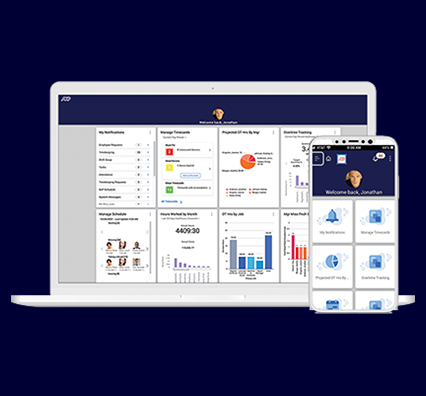
Rostering is the process of assigning people to shifts, duties or work periods so the organisation has the right coverage to meet with operational demand and organisational policies.
What is rostering?
Rostering (sometimes known as shift scheduling) is the structured allocation of workers to time slots and responsibilities. It ensures the right people in the right place at the right time to do the work at hand — whether that’s in factories and retail outlets or healthcare facilities and gig platforms.
Rosters can vary by contract type and must consider fairness, efficiency and demand patterns. It also needs to reflect rules around rest, breaks, safety and overtime, which can affect pay.

Things to know
- Rosters should reflect rules on hours, breaks, rest periods and overtime so pay is calculated correctly and records are audit-ready.
- Night‑shift rules may differ by state, especially for women workers, and must be factored into scheduling and approval workflows.
- Different work patterns, from fixed, split and rotating shifts to compressed weeks and flexible rostering, can affect payroll calculations for overtime, allowances, attendance bonuses and leave accruals.
- Accurate time & attendance data is essential so HR and payroll can reconcile exceptions and apply correct pay rules.
- Good rostering supports productivity, engagement and retention by balancing workloads and respecting preferences; poor rostering increases fatigue, absence and attrition.
- Integrating rostering with payroll systems helps automate complex calculations and simplify compliance reporting.
FAQs
What are an employer’s rostering obligations?
Employers must follow central and state laws on maximum working hours, weekly days off, rest intervals and overtime payments, and maintain accurate records for inspection.
How does rostering impact payroll?
It determines the payable hours, overtime, shift premiums, allowances and attendance incentives. Inaccurate rosters lead to incorrect pay, unhappy employees and the risk of compliance risks.
Who should be included in a roster?
All workers performing shifts — full-time, part-time, temporary, contractual and certain gig workers — should be rostered when operationally required and to meet statutory rules.
How can HR improve rostering fairness?
Use transparent policies, consider employee availability and preferences, rotate unpopular shifts fairly, communicate schedules early and provide options for swaps or overrides.
Why invest in rostering technology?
Automation reduces manual errors, enforces compliance rules, speeds up payroll processing, and supports forecasting. Modern systems also offer self-service portals so employees can view schedules and request shift swaps with manager supervision.