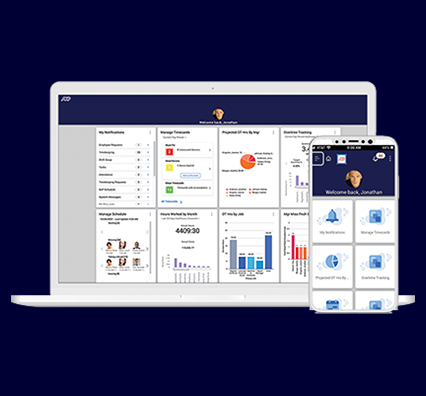
Payroll is how an organisation pays people and records what they earn and what is deducted each pay period.
What is payroll?
Payroll is the process of paying employees accurately and on time. It involves calculating earnings, applying deductions such as Tax Deducted at Source (TDS), Employees' Provident Fund (EPF), Employee State Insurance (ESI) and Professional Tax (where applicable), and processing salary payments.
Payroll also involves maintaining employee records, processing statutory contributions and reporting required information to the relevant authorities. Accurate payroll administration helps organisations meet compliance obligations and maintain employee trust.
Some organisations run payroll in-house, while others use payroll software or a payroll provider.

Things to know
- Payroll covers both paying people and keeping the records that support each payment
- Payroll deductions, statutory contributions and reporting requirements vary by country and local regulations
- Accurate time and attendance data is important for hourly pay
- Payroll can be managed in-house, through software or with an outsourced provider
- When payroll is done well, it builds trust and reduces avoidable errors
- Payroll often includes statutory deductions such as TDS, EPF, ESI and Professional Tax, where applicable
FAQs
How often is payroll run?
Payroll frequency varies by organisation, although monthly payroll is the most common pay cycle in India.
What information is included in payroll?
Payroll records typically include earnings, allowances, bonuses, deductions, statutory contributions and net pay.
What’s the difference between payroll and a payslip?
Payroll is the overall process. A payslip shows the details for one pay period.
Can payroll be outsourced?
Yes. Organisations may manage payroll internally or work with payroll service providers and payroll software platforms to support payroll processing and compliance.
Why is payroll important?
Payroll helps ensure employees are paid accurately and on time while supporting statutory compliance, employee satisfaction and business operations.