Employees' State Insurance (ESI) is a social security scheme that provides eligible employees with access to specified benefits relating to healthcare, sickness, maternity and employment-related injury.
What is ESI?
Employees' State Insurance (ESI) is a statutory social security scheme administered by the Employees' State Insurance Corporation (ESIC). It provides eligible employees and their dependants with access to benefits relating to healthcare, sickness, maternity and employment-related injury.
For employers, ESI is closely connected to payroll administration. Organisations may need to determine eligibility, calculate contributions, maintain employee records and manage statutory reporting requirements associated with the scheme.
Because contributions are generally processed through payroll, accurate employee data and payroll calculations are essential. Errors in employee records, earnings information or contribution calculations can create compliance challenges and increase administrative workload.
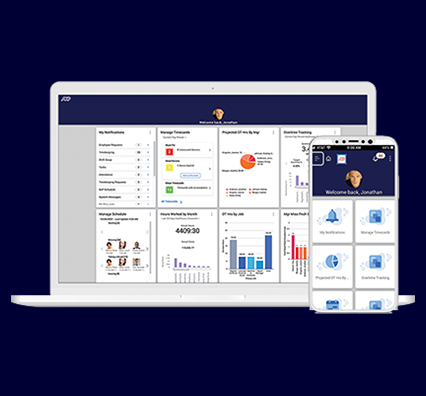
Many organisations use payroll technology to automate contribution calculations, statutory reporting and record management for ESI administration.

Things to know
- ESI is one of India's key employee social security schemes.
- The scheme is administered by the Employees' State Insurance Corporation (ESIC).
- ESI administration is closely linked to payroll and compliance processes.
- Employers need accurate employee and earnings data to support contribution calculations.
- Payroll technology can help simplify statutory reporting and recordkeeping requirements.
- ESI benefits may extend to eligible dependants, subject to applicable scheme requirements.
FAQs
Who is typically eligible for ESI?
Eligibility for ESI depends on applicable scheme requirements, employee status and earnings criteria. Employers are responsible for assessing whether employees qualify for coverage under the scheme.
When does ESI become applicable to an employee?
Employers assess employee information and earnings against applicable ESI requirements to determine when coverage applies.
Are contract employees covered under ESI?
Coverage depends on the applicable requirements and the nature of the employment arrangement. Employers must assess eligibility and compliance obligations for all relevant categories of workers.
Is ESI deducted through payroll?
Yes. Where ESI applies, contributions are generally calculated and administered through payroll processes, making accurate employee and compensation data essential.
What information is needed to administer ESI contributions?
Employers typically require accurate employee identification, employment and earnings information to support eligibility assessments, contribution calculations and statutory reporting.
How can payroll software help manage ESI administration?
Payroll systems can automate contribution calculations, support statutory reporting, maintain employee records and help organisations manage ESI-related compliance requirements more efficiently.